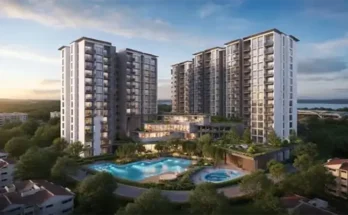


The value of a property can vary according to the perception of prospective buyers of a residential property. A short-term perspective might be based on immediate desires, while a long-term one is based on how this house and its environment might be used for other lifestyles over the years. This can be achieved through the following factors: location, convenience, connectivity, amenities and neighborhood character. These can be studied in relation to Lucerne Grand and Amberwood at Holland to gain a better insight into its residential qualities from a modern viewpoint.
Look Beyond the Present
When the property research process is for the long term, one must take more than present needs into account. Buyers may consider the changes in their working lives, family situation and leisure activities throughout their lives.
This does not imply forecasting all the future changes. Rather, it involves pinpointing those characteristics that are going to be important in various aspects of everyday living.
Consider the Surrounding Lifestyle
Having various types of activities will make a residential setting more attractive. The dining, shopping, recreation, education and social opportunities can all be part of the experience of residents in their neighborhood.
This is an overall lifestyle viewpoint of the Lakeside environment offered by Lucerne Grand. Purchasers can investigate the environment around them and how it can help them with their daily lives and play.
Study Connectivity as a Long-Term Factor
Transport can continue to be meaningful even as people’s lives change. As life goes on, people may find themselves moving from job to job, reducing or changing their commuting, or creating other changes to their schedules.
Connectivity can therefore be an integral component of long-term location research for this reason. Purchasers will be able to look at the relationship between the residential area and destinations, and the flexibility this provides.
Consider Changing Household Requirements
The needs of residences can change drastically. The routine can transition from a professional to a family-centered one, with new responsibilities or other recreational needs and interests.
This lens can be applied to Amberwood at Holland as well. Wider Holland Plain and Bukit Timah can be considered based on the education, transport, dining, shopping, recreation, etc. aspects of lifestyle.
Think About Everyday Flexibility
Long-term appeal can also mean being able to fit in various types of schedules. Quiet, personal time now may be appreciated by the buyer, but later he or she might prefer more opportunities for family time or places to socialize.
As preferences change, a diverse neighborhood landscape offers greater options. The buyer can then explore the ways in which various environments can help to sustain several life patterns.
Assess the Wider Neighborhood
The appeal of a property ought not to be thought of purely in terms of the home itself. The surrounding community can affect the convenience, availability, recreation and quality of life within the community.
By studying the environments within which Lucerne Grand and Amberwood can be found, researchers can make comparisons between them under the same categories in Holland. This can help to organize and enhance the long-term research.
Conclusion
The long-term perspective of property appeal is to think beyond just what’s appealing in the moment and how changing lifestyles can be accommodated in a residential setting. This can be estimated based on connectivity, neighborhood variety, convenience for everyday activities, recreation, education and household flexibility. These factors are explored in the Lakeside environment provided at Lucerne Grand, and around Holland Plain and Bukit Timah, at Amberwood at Holland. Future expectations are incorporated into gift givers’ present purchases, creating a more comprehensive and reflective appreciation of the appeal of homes.