
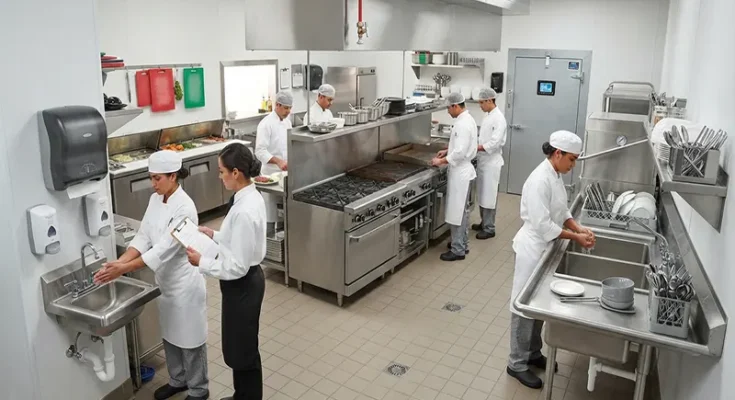
Essential Safety and Health Code Guidelines for Commercial Kitchen Design

Essential Safety and Health Code Guidelines for Commercial Kitchen Design

Opening a restaurant is an exhilarating venture, but it is also one of the most heavily regulated business environments in existence. The line between a thriving grand opening and a devastating, costly delay often boils down to a single document: the local health department inspection report.

Many first-time restaurateurs make the mistake of designing a beautiful kitchen layout first and attempting to retrofit health and safety codes later. This approach is a recipe for catastrophic fines, delayed permits, and forced structural rebuilds. By baking safety, hygiene, and building codes directly into your initial architectural layout, you protect your capital investment and safeguard the health of your staff and guests. Here are the essential safety and health code guidelines every commercial kitchen must follow.

Guideline 1: HACCP Flow and Cross-Contamination Prevention

Health inspectors evaluate your kitchen layout through the lens of Hazard Analysis Critical Control Point (HACCP) principles. The golden rule …

Essential Safety and Health Code Guidelines for Commercial Kitchen Design Read More

How Can You Organize Your Property Notes During an Executive Condominium Search?

How Can You Organize Your Property Notes During an Executive Condominium Search?

Searching for an Executive Condominium usually means visiting several developments over a period of weeks or even months. Along the way, buyers collect brochures, photographs, location details, personal observations, and online research. Without a system to organize this information, it becomes difficult to remember what made one development different from another.

Good note-taking is not simply about recording facts. It’s about establishing a benchmark to make more precise comparisons of developments. Carefully prepared notes help to eliminate confusion and help customers make decisions according to the observations made and not what they remember.

Create Categories That Matter to You

Rather than making general notes, break them up into segments of the note that correspond with your priorities. You could develop lines of classifications for neighborhood, convenience, accessibility, nearby facilities and impression following every visit.

Using the same categories for every development makes later comparisons much easier. Rather than reading through …

How Can You Organize Your Property Notes During an Executive Condominium Search? Read More
How to Design a Work-Friendly Cafe for Laptop Users and Remote Workers

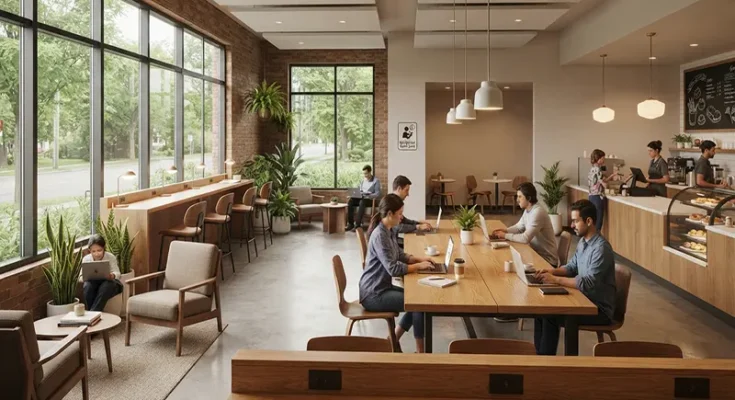
How to Design a Work-Friendly Cafe for Laptop Users and Remote Workers

The modern professional landscape has changed permanently. With millions of freelancers, entrepreneurs, and remote workers untethered from traditional office cubicles, the local coffee shop has evolved into the ultimate “third space.”

However, for independent cafe owners and interior designers, catering to laptop users often sparks a contentious debate: How do you welcome remote workers who want to camp out for hours without sacrificing table turnover, hourly revenue, and profitability?

The answer is not banning laptops; it is intentional design. By creating a spatial ecosystem specifically engineered for remote workers, you can capture this lucrative crowd, build fierce customer loyalty, and protect your bottom line. Here is how to design a work-friendly cafe that balances productivity with hospitality.

The Economics of the Laptop Crowd

Many cafe operators fear the “squatter customer”—the person who buys a single drip coffee and occupies a four-top table for five hours straight.

  • Reframing the Customer:
How to Design a Work-Friendly Cafe for Laptop Users and Remote Workers Read More