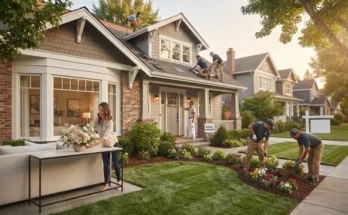


A good home needs more than four walls. It needs places that make daily life easy. That is one reason Clovelle of Woodlands can appeal to people at different life stages. The Woodlands area has links to rail, retail, schools, health care, and green spaces. These features can support young couples, families, older residents, and people living alone. When shops and services sit within easy reach, simple tasks take less time. More free time, in turn, can help people enjoy their homes and the wider neighborhood.
Shopping Makes Daily Life Easier
Nearby shops can change how a community feels. Groceries, cafés, food outlets, and basic services give residents useful choices close to home. This matters to parents with young children, older adults, and busy workers alike. At Dorset Gardens, residents are near City Square Mall, Mustafa Center, and the wider retail areas around Little India and Novena. Such access can reduce the need for long trips for everyday needs. It also creates more chances to meet neighbors during normal routines, which helps a mixed-age area feel active.
Different Ages Share Common Spaces
Age may shape a person’s routine, but many daily needs stay the same. People want food nearby, safe paths, useful transport, and places to relax. A child may visit a shop with a parent, while a young worker may stop there after work. An older resident may use the same place for a meal or a quick errand. Shared spaces can create small moments of contact. Nothing dramatic needs to happen. A nod, a short chat, or seeing familiar faces can slowly build a sense of community.
Transport Helps Connect Neighbors
Good transport can make mixed-age living more practical. Older residents may value easy access to medical care and shops, while younger adults may need quick routes to work or study. Woodlands South MRT is a key rail reference for Clovelle of Woodlands, while Woodlands MRT connects the town center with wider rail services. Dorset Gardens also sits near Farrer Park MRT, with access toward Orchard Road and the central business areas. Easy transport gives residents more freedom. That matters when people have very different daily schedules.
Retail Areas Create Social Rhythm
A neighborhood can feel livelier when people use nearby places at different times. Early mornings may bring older residents out for errands. Afternoons can be busy with parents, children, and local workers. Evenings may bring office staff home for dinner or shopping. This natural rhythm helps streets and retail areas stay active across the day. It also supports a wider mix of residents without forcing them into the same routine. A community works well when people can share the same spaces while still keeping their own pace.
Homes Can Support Family Life
Mixed-age communities often work well for families because daily needs change over time. Young parents may look for schools, parks, shops, and health services. Older family members may care more about transport, food options, and easy access to essential services. A home near these features can make family routines simpler. Dorset Gardens is close to schools, retail centers, dining areas, and major roads. These links can support households with different needs. Over time, that flexibility can make a neighborhood useful through several stages of life.
Local Amenities Encourage Longer Stays
A strong residential area is not only about getting from home to work. People also need reasons to stay nearby. Parks, food spots, shops, schools, and community facilities can make an area feel more complete. Woodlands offers access to places such as Admiralty Park, Woodlands Waterfront Park, Causeway Point, and Woods Square. Farrer Park has its own mix of heritage sites, retail, dining, and urban services. When useful places are close, residents can spend more time within their neighborhood, creating more regular contact across age groups.
Conclusion
Mixed-age communities grow from practical things that people use every day. Nearby shops, transport, schools, parks, and services can help residents with very different routines share one neighborhood. Clovelle of Woodlands and Dorset Gardens reflect two locations where access to daily amenities is an important part of residential life. The result is not simply convenience. It is a setting where families, workers, older adults, and younger residents can follow their own routines while still feeling connected to the wider community.